
You may recall that for many years, everyone routinely had their wisdom teeth extracted. Even if the tooth was healthy, it was removed with the thought of "preventing future problems". Now, experts emphasize that not every wisdom tooth poses a risk, and unnecessary extractions can both complicate the healing process and lead to additional complications.
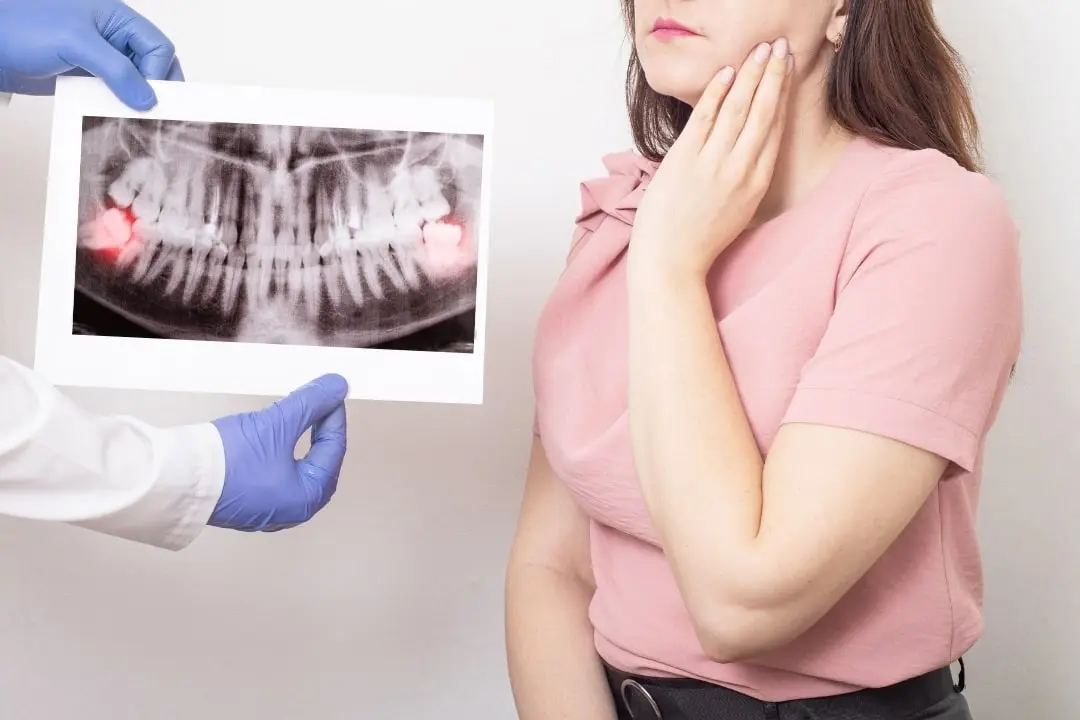
Furthermore, experts clearly emphasise that there is no scientifically proven health benefit to extracting wisdom teeth that show no symptoms and do not damage surrounding tissues. Extraction is only considered reasonable when there is a real threat, such as recurrent infection, persistent pain, decay, or pressure on surrounding teeth.
At Simena Dental Clinic, we will take a closer look at the scientific reasons behind this change and why experts no longer recommend the extraction of every wisdom tooth.
Why were wisdom teeth seen as a problem?
The main reasons why wisdom teeth are considered a problem are as follows:
Impaction
Wisdom teeth often do not have enough space in the mouth to fully erupt, causing them to become stuck (impacted) in the gum or jawbone. Impacted teeth can put pressure on other teeth, causing pain, infection, and damage to neighbouring teeth.
Crowding and misalignment
Wisdom teeth can crowd or misalign other teeth, especially if the mouth is already full. This can lead to the need for orthodontic treatment.
Susceptibility to decay and gum disease
Due to their location at the back of the mouth, wisdom teeth are difficult to clean properly. This can increase the risk of decay, gum disease, or infection.
Pain and discomfort
The emergence of wisdom teeth can often cause pain, swelling, and discomfort.
Infection or gum inflammation
Recurrent infections (pericoronitis) in the gums surrounding the tooth are a common problem. Bacteria can easily accumulate around partially erupted teeth.
Cyst or tumour formation
In rare cases, cysts or tumors may develop around impacted wisdom teeth.
Damage to neighboring teeth
Emerging wisdom teeth can cause damage by exerting pressure on or disrupting the structure of nearby teeth.
Given these potential risks, many dentists used to recommend removing wisdom teeth before they caused any damage, usually during adolescence or young adulthood. This had become a common practice as a preventive measure.
However, in recent years, there has been a shift away from this 'automatic removal' approach within the dental community. Experts now state that not all wisdom teeth cause problems and that many people can live without experiencing any complications from these teeth. Modern dentistry now embraces a more personalized, evidence-based approach and advocates for the preservation of wisdom teeth if they are healthy, functional, and properly aligned.
Why some experts now say not to remove your wisdom teeth?
In recent years, the traditional approach among dental specialists regarding the extraction of wisdom teeth (third molars) has changed significantly. Previously, it was common practice to automatically extract wisdom teeth as a preventive measure, even before they caused any problems. However, advancing research and new expert opinions have begun to question this approach.
The main reasons why specialists now advise against removing your wisdom teeth are as follows:
Not all wisdom teeth cause problems
One of the most important reasons is the understanding that not all wisdom teeth cause problems. Many people can live with their wisdom teeth without any complications. If the teeth have erupted properly, are healthy, are correctly aligned, and do not cause crowding or damage to nearby teeth, they may not need to be extracted.
Avoiding unnecessary surgical risks
Wisdom tooth extraction, like any surgical procedure, carries certain risks. These risks include complications such as infection, nerve damage, swelling, jaw stiffness, and dry socket. The risk of nerve damage can be around 1-5%. Retaining healthy wisdom teeth eliminates these unnecessary complications.
The preference for preserving natural teeth
Modern dentistry focuses on preserving natural teeth as long as they are not causing harm. Healthy third molars contribute to the structural integrity of the dental arch. Natural teeth are always preferred over artificial implants.
Reducing the financial burden
Avoiding unnecessary extractions saves on both the cost of the operation and additional expenses related to post-operative care, medication, and possible complications.
Advanced monitoring and diagnostic tools
Advances in modern dental technology, such as digital X-rays and 3D imaging, enable dentists to better monitor the development of wisdom teeth. This allows them to track the position and health of the teeth over time, intervening only when problems arise, rather than having to intervene before problems occur.
Personalised care approach
As dental practices have evolved, each patient's situation is unique. Instead of general recommendations, a personalised, diagnosis-focused approach is now adopted. This patient-centered perspective prioritises protection, comfort, and practicality.
When is removal still necessary?
Wisdom tooth extraction is no longer an automatic procedure, but it remains a necessary procedure when the tooth poses a clear threat to oral health. This decision should be made by the dentist based on a comprehensive assessment, routine X-rays, and annual dental check-ups.
Experts may recommend wisdom tooth extraction in the following situations:
- Impacted teeth can cause pain, infection, and pressure on neighboring teeth.
- Recurrent infections (pericoronitis) are a significant reason for extraction.
- If decay occurs and is untreatable, the tooth may be removed.
- Rarely, cyst or tumor development may occur.
- If misalignment leads to crowding of other teeth, extraction is preferred.
- Persistent pain, swelling, or jaw discomfort may necessitate extraction.
- In some cases, the tooth can press on the sinus area, causing sinus problems.
The benefits of keeping your wisdom teeth
The main benefits of keeping your wisdom teeth are as follows:
Improved chewing efficiency
Properly aligned wisdom teeth can function like other molars, increasing chewing capacity and helping to break down and digest food more effectively. Four additional molars mean more surface area for grinding food. For people who clench or grind their teeth, especially under stress, they can provide an extra grinding surface without damaging existing teeth or overworking the jaw muscles.
Support for the jawbone and facial structure
Wisdom teeth can help maintain bone density in the jawbone and prevent structural shifts or collapse of the jaw. The roots of the teeth prevent resorption of the jawbones and can prevent a sunken facial appearance associated with bone resorption in the long term.
Preservation of natural teeth
Dentistry focuses on preserving natural teeth as long as they are not causing harm. Healthy third molars contribute to the structural integrity of the dental arch. Natural teeth are always preferable to artificial fillings or dental implants.
Maintaining tooth alignment
Wisdom teeth can help maintain the position of other teeth and prevent misalignment or crowding. In some cases, they can prevent other teeth from tilting into empty spaces.
Functioning as a replacement molar
In rare cases, if other molars are lost or extracted due to decay or trauma, a healthy wisdom tooth can serve as a 'replacement' molar.
Avoiding unnecessary surgical risks
Preserving healthy wisdom teeth eliminates the risk of surgical complications associated with extraction. Less surgery means fewer complications, less time off work, and minimal intervention in your oral ecosystem.
Preventive measure against decay
Wisdom teeth can serve as a preventive measure against decay by providing additional protection around molars, which are prone to plaque build-up due to poor brushing habits or dietary choices.
How to monitor and care for wisdom teeth?
If you decide to keep your wisdom teeth (third molars) healthy, regular monitoring and proper care practices are crucial to prevent future problems. Dental professionals support preserving these teeth if they are healthy, functional, and properly aligned, with comprehensive monitoring and careful personal hygiene forming the basis of this approach.
Here are important steps on how to monitor and care for your wisdom teeth:
Monitoring and follow-up (by the dentist)
Routine X-rays and 3D imaging:
Dentists use advanced dental technologies such as digital X-rays and 3D imaging to better monitor the position and development of wisdom teeth. This allows potential problems such as impaction, infection, or damage to neighbouring teeth to be detected at an early stage.
Annual dental check-ups and assessments
Annual dental check-ups allow your dentist to monitor subtle shifts in your wisdom teeth or signs of infection. Rather than intervening before problems arise, the health and position of your teeth are monitored over time. Your dentist can offer you personalized guidance based on your oral health and long-term needs.
Personalized care plans
As each patient's oral structure is unique, dentists create individualized treatment plans rather than offering general advice. This patient-centered approach prioritises protection, comfort, and practicality.
Personal care and hygiene (by the patient)
- Careful brushing: Brush around your back molars carefully. It is important to maintain the habit of brushing twice a day.
- Use of dental floss or water flosser: Use dental floss or water flossers to reach tight spaces. This prevents plaque and bacteria buildup, reducing the risk of decay or gum disease.
- Antiseptic mouthwash: Using antiseptic mouthwash may help reduce bacteria in hard-to-reach areas around wisdom teeth.
- Regular dental cleanings: Scheduling regular dental cleanings and check-ups with your dentist will help keep your wisdom teeth healthy and functional. Advanced oral hygiene practices reduce the likelihood of complications.
Choose Simena Dental for your dental treatments in Antalya
Are your wisdom teeth causing discomfort? Simena Dental offers pain-free, safe and quick wisdom tooth extraction services with its specialist dentists and comfort-focused approach.
We create the most suitable treatment plan for each patient based on an individual assessment of the tooth's structure and position. Thanks to modern technologies, the procedure is precise and extremely comfortable.
At Simena Dental, our goal is not just to extract teeth; it is to protect your long-term oral health and give you a healthier smile. We also offer cosmetic dental treatments such as titanium and ceramic implants, All on 6 and Hollywood Smile.
You can contact us for more information and to start your treatment process.
Welcome to Simena Dental for a pain-free treatment and a reassuring experience.
FAQs
Is it safe to keep your wisdom teeth?
Yes, your wisdom teeth are safe to keep if:
- They are healthy
- They are functional
- They are properly aligned
- They are not crowding or damaging neighbouring teeth
- They have fully erupted
- They are not causing pain, infection or other problems
What are the risks of wisdom teeth removal?
The main risks of wisdom tooth extraction are as follows:
- Infection: As with any surgical procedure, there is a risk of infection following wisdom tooth extraction. This may cause swelling and pain and require additional treatment (such as antibiotics).
- Nerve damage: Damage to nerves close to the tooth may occur during extraction. This can cause numbness or tingling in your tongue, lips, and jaw. It usually resolves but may take several weeks or months.
- Dry socket: This is a painful condition that occurs when the blood clot at the extraction site does not form properly, dislodges, or dissolves before the wound heals.
- Swelling and jaw stiffness: Swelling in the face and stiffness in the jaw may occur after extraction. This condition usually begins to improve within 1-2 days but may last up to two weeks. Chewing and swallowing may also become uncomfortable.
- Bleeding: There is a risk of bleeding after extraction. Avoiding excessively hot beverages may help reduce the risk of bleeding.
- Prolonged pain and swelling: Some patients may experience prolonged pain and swelling after surgery.
- Other post-operative complications: If general anesthesia or sedation was used, the recovery process may take longer and 1 to 3 days off work may be required. In addition, you should not drive for 48 hours after general anesthesia or 24 hours after sedation.
How to know when wisdom teeth need to be removed?
If you notice any of the following symptoms, you should consult your dentist immediately. These symptoms may indicate that your wisdom teeth are impacted, infected, or have another problem, and a professional evaluation is necessary to prevent more serious complications. As a result of the evaluation, it may be decided that your wisdom tooth needs to be extracted.
- Especially if you experience severe discomfort, sensitivity, or pain while eating or brushing.
- If you have difficulty opening your jaw or notice that your teeth are crooked.
- Symptoms such as recurrent infections (pericoronitis) in the gums, swelling, an unpleasant taste in the mouth, or bad breath.
- If you have difficulty chewing at the back of your mouth.
Can wisdom teeth cause problems later in life?
Yes, wisdom teeth (third molars) can absolutely cause problems later in life. While some people have no issues, for many, they become a source of significant dental problems, often emerging or worsening in a person's late 20s, 30s, 40s, and even beyond.
The problems arise primarily because the human jaw has evolved to be smaller over time, but we still develop the same number of teeth. This lack of space leads to a variety of issues.
Many people think if their wisdom teeth didn't hurt in their teens or early 20s, they're in the clear. However, problems often develop later due to:
- Eruption attempts: The tooth may continue to try to erupt slowly over decades, causing periodic inflammation.
- Bone changes: As we age, jawbone density changes, which can affect the position and stability of the teeth.
- Gum tissue changes: Gum tissue can become less resilient and more susceptible to infection.
- Long-term buildup: Years of difficult cleaning lead to a slow but steady buildup of decay and gum disease that only becomes symptomatic later.
What's the best age for wisdom teeth removal?
While there is no single 'perfect' age that applies to everyone, dentists generally agree that the most appropriate time to extract wisdom teeth, if necessary, is usually between the late teens and early twenties (typically between the ages of 17 and 25).
The decision on when wisdom teeth should be extracted should be made by your dentist based on a comprehensive assessment, routine X-rays, and annual dental check-ups. This allows potential problems to be detected early and the need for intervention to be assessed on an individual basis.
Many people have their wisdom teeth removed in their 30s, 40s, 50s, or even later. This is usually due to the emergence of a problem such as pain, infection, cysts, or decay.
Why remove wisdom teeth if they don't hurt?
Even if wisdom teeth do not cause pain, they may harbor hidden problems that could lead to serious complications later in life. Therefore, a comprehensive assessment by a dentist, including X-rays and regular check-ups, is critical to determining whether extraction is truly necessary.
What happens if wisdom teeth are impacted?
When a wisdom tooth is 'impacted,' it means it does not have enough space to erupt or develop normally. An impacted wisdom tooth is much more than just a tooth that does not erupt properly. It acts as a potential source of infection, decay, and serious damage to surrounding healthy teeth and jawbone. Early assessment and proactive treatment are key to preventing these serious complications.
The dentist uses X-rays to check the position of wisdom teeth and confirms whether they are impacted or pose a risk of complications through clinical evaluation. These situations are generally when tooth extraction is recommended to maintain overall oral health.
How can I manage wisdom tooth pain at home?
There are some temporary relief methods for managing wisdom tooth pain at home:
- Warm salt water rinse: Gargling with warm salt water may provide temporary relief.
- Applying a cold compress: Applying a cold compress to the painful area may help reduce swelling and pain.
- Over-the-counter painkillers: You can take over-the-counter painkillers such as paracetamol or ibuprofen to relieve the pain.
- Consume soft or liquid foods: If you are experiencing pain, it may be a good idea to consume soft or liquid foods until chewing becomes easier. It is important to avoid hard, excessively cold, and excessively hot foods and drinks to avoid irritating the painful area.
- Pay attention to oral hygiene: It is important to keep your mouth clean by gently rinsing it with mouthwash or warm salt water. You should brush your other teeth carefully and avoid the affected area.